OpenAI Backpedals on Pentagon Deal After Internet Loses Its Mind
05/03/2026
After the whole Pentagon contract drama blew up online, Sam Altman has now come out saying the deal was rushed, messy, and honestly… not handled particularly well.
Well… that escalated quickly.
After the whole Pentagon contract drama blew up online, Sam Altman has now come out saying the deal was rushed, messy, and honestly… not handled particularly well.
In a post on X this week, Altman explained that OpenAI is reworking parts of its original agreement with the U.S. military, following internal staff push back, public backlash, and a surprising wave of people switching over to Anthropic and its AI model Claude.
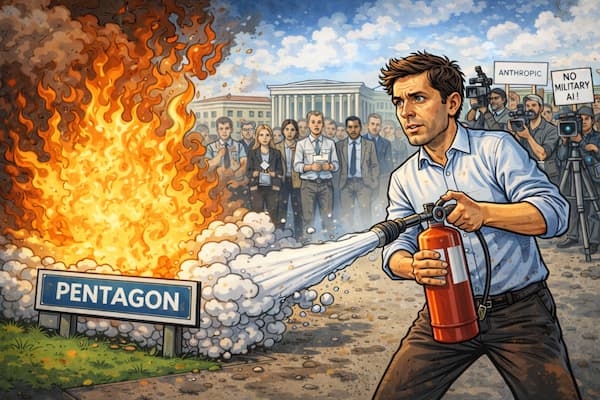
Basically, what started as a strategic government contract has turned into a bit of a PR nightmare.
And OpenAI is now trying to tidy up the mess.
What Actually Happened
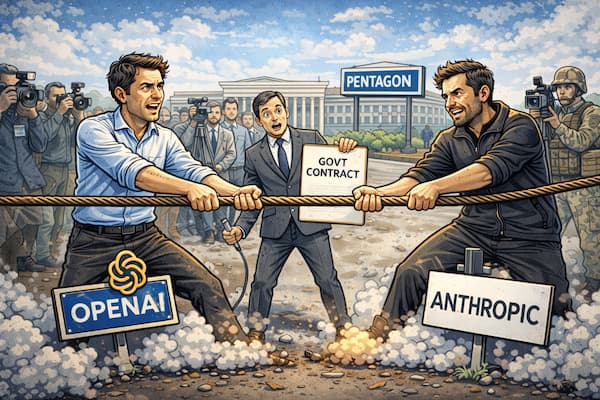
When the U.S. government banned Anthropic from certain federal systems over disagreements about AI safeguards, OpenAI stepped in pretty quickly.
Like… really quickly.
The company finalized its own deal with the Pentagon within about 24 hours.
The kicker?
The agreement reportedly used very similar contract language to what Anthropic had already refused — particularly around potential uses involving surveillance and military applications.
Not surprisingly, that didn’t go down too well with a lot of people.
Employees raised concerns internally.
Users started cancelling subscriptions.
And a bunch of folks online started jumping ship to Claude.
Altman: “Yeah… we moved too fast”
Altman didn’t exactly sugarcoat it.
He openly admitted the deal looked “opportunistic and sloppy” from the outside.
At one point he even said he would “rather go to jail than follow an unconstitutional order.”
Which is a pretty spicy thing for the CEO of one of the world’s biggest AI companies to say publicly.
Behind the scenes, he also held an all-hands meeting at OpenAI earlier this week where he acknowledged the situation has been “complex but the right decision with extremely difficult brand consequences.”
Translation in normal human language:
We probably should’ve thought this through a bit more.
What’s Actually Changing
One of the main updates comes from OpenAI researcher Noam Brown.
He clarified that OpenAI will not be deploying AI systems to intelligence agencies like the NSA or similar defense intelligence units — at least for now.
Apparently the company is now tightening the language in the contract to close loopholes that worried both employees and users.
So while the deal with the Pentagon still exists, some of the more controversial potential uses are being restricted.
The Internet Reaction Was… Immediate
The fallout from the original announcement was pretty wild.
Within days:
- Users started cancelling ChatGPT subscriptions
- Anthropic’s Claude climbed to the top of app store charts
- Protesters even showed up outside OpenAI’s San Francisco offices
Which is something you don’t see every day for a tech company that mostly makes software tools.
The whole thing turned into a full-blown debate about how much involvement AI companies should have with military and intelligence agencies.
And that debate isn’t going away anytime soon.
The Bigger Picture
The uncomfortable reality here is that AI is becoming strategic infrastructure.
Governments want it.
Tech companies build it.
And the public has opinions about how it should — and shouldn’t — be used.
OpenAI tried to move quickly and secure a government relationship.
But in doing so, they ran straight into a wall of public scrutiny.
Now they’re slowing down and adjusting the deal.
Whether that’s enough to repair the brand damage… remains to be seen.
Because once people start questioning a company’s ethics, that conversation tends to stick around for a while.
Final Thoughts
This whole situation is a reminder that AI companies aren’t just tech startups anymore.
They’re slowly becoming global infrastructure players.
And when you’re operating at that level, every decision — especially involving governments — gets picked apart in real time by millions of people online.
OpenAI might have fixed parts of the contract.
But reputational damage is a bit harder to patch.
The internet has a long memory. Like seriously, about 2 months and nobody will remember.
And this story probably isn’t finished yet.